Why I Started Building an AI Restaurant Operating System
A few months ago, I was visiting California Pizza and stopped at a restaurant. Like most people, I expected a waiter to come take my order. Instead, I was told, "Just scan the QR code, have a look at the menu, and I'll be back in about 10 minutes."
At first, I thought it felt a little impersonal, but then I realized something: the restaurant had removed one of the biggest bottlenecks in dining—the wait to place an order.
That experience got me thinking. Most restaurant software today focuses on running the business: POS systems, kitchen displays, inventory management, and QR menus. Those tools are useful, but they're no longer unique. Almost every vendor offers them.
So I started asking myself a different question:
What if the software could actually help restaurants make more money instead of just managing orders?
That's the idea behind the platform I'm building.
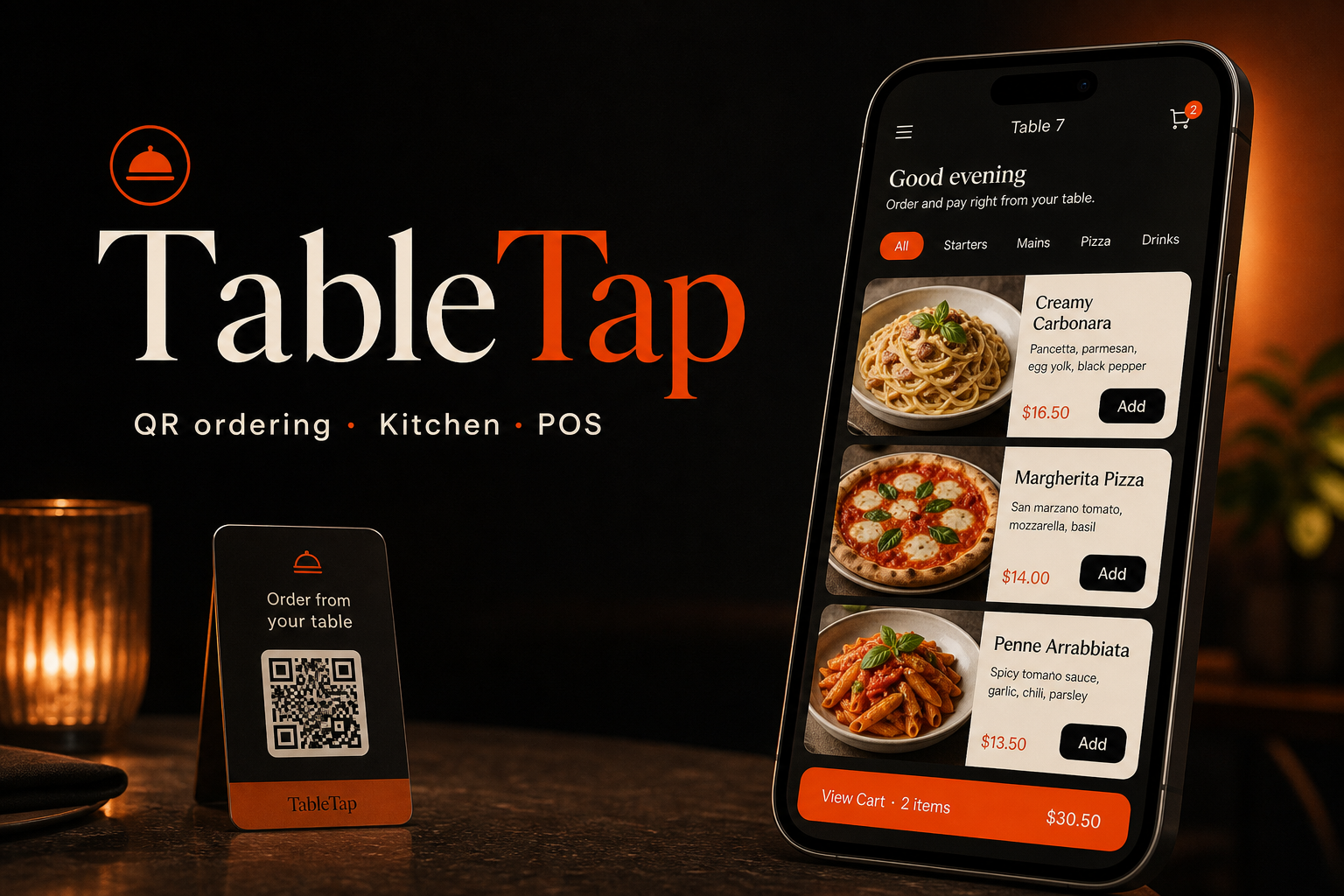
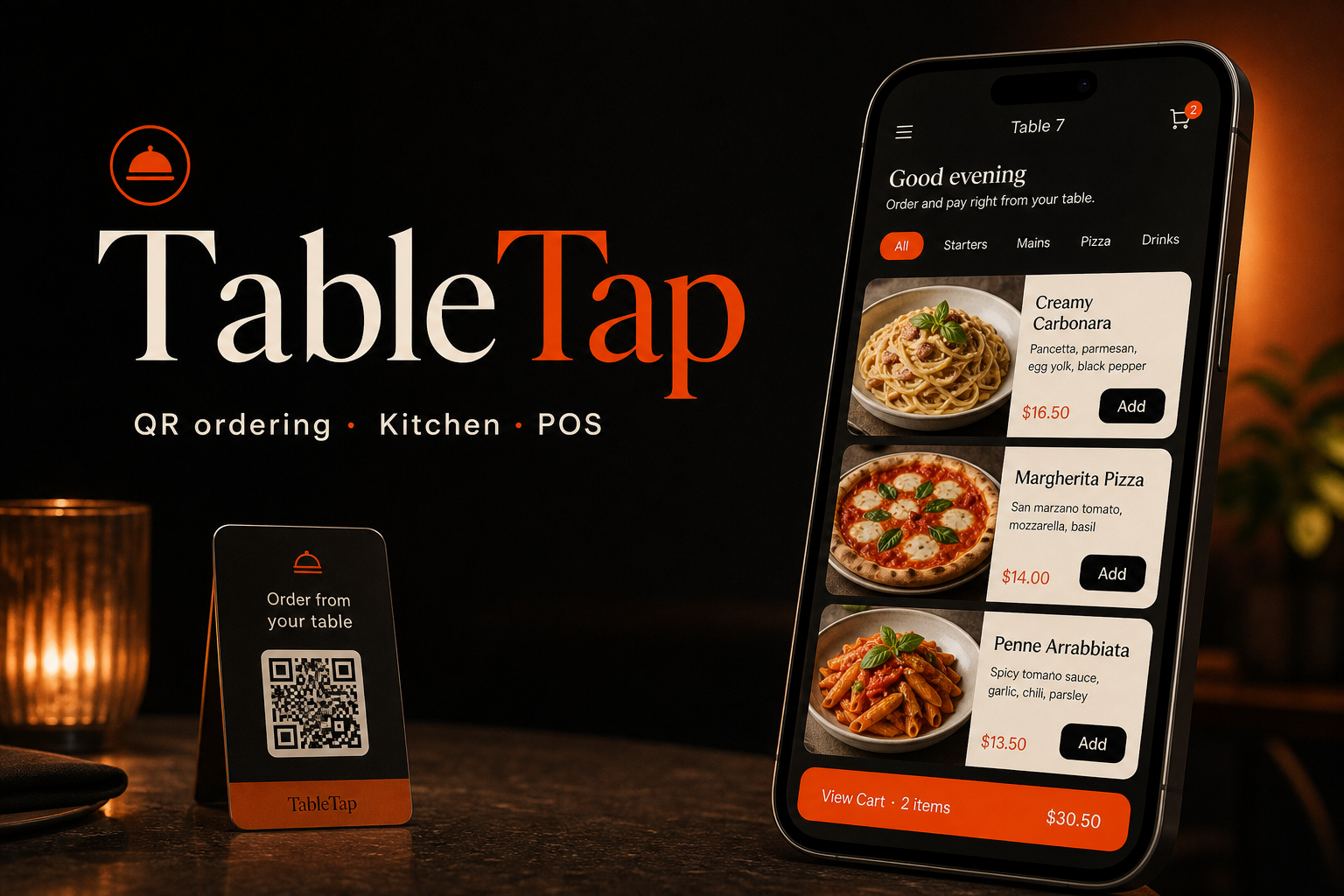
Customers can still scan a QR code and order directly from their table, with orders instantly reaching the kitchen along with the correct table number. Delivery orders can be assigned to riders, inventory updates automatically, and managers get a complete dashboard of restaurant operations.
The part I'm most excited about, though, is the AI Waiter.
Instead of simply showing a menu, the AI can recommend dishes based on dietary preferences, allergies, budgets, or cravings. It can intelligently upsell drinks, desserts, and combos, answer menu questions, and even build the customer's order conversationally. The goal isn't to replace staff—it's to improve the guest experience while increasing the average order value.
I'm also building an AI Inventory assistant that predicts stock shortages, forecasts demand based on sales patterns, and helps reduce food waste before it becomes a problem.
The project is still in development, and I'm sharing it early because I'd rather build it with feedback from restaurant owners and operators than make assumptions on my own.